Two countries, one long lunch
Eat your way across Spain and Portugal.
The Douro, the Minho, Galicia, Rioja and Andalucia — what to order, which grape to ask for, and what it actually costs.
The Douro, the Minho, Galicia, Rioja and Andalucia — what to order, which grape to ask for, and what it actually costs.
The best memories from any trip happen around a table — the tiny tasca, the family winery, the market stall the guidebooks miss. We cover two countries and the border between them, and only write about tables worth crossing it for.
Albarino on the Galician coast, tapas crawls in Seville, vinho verde in the Minho, port in the Douro. Whatever your appetite, one of these two countries has a table for it.
"Tell me what you eat, and I'll tell you where you should travel."
Start with the region, not the restaurant — each guide covers what to eat, what to drink and how to do it without a tour bus.
 Portugal
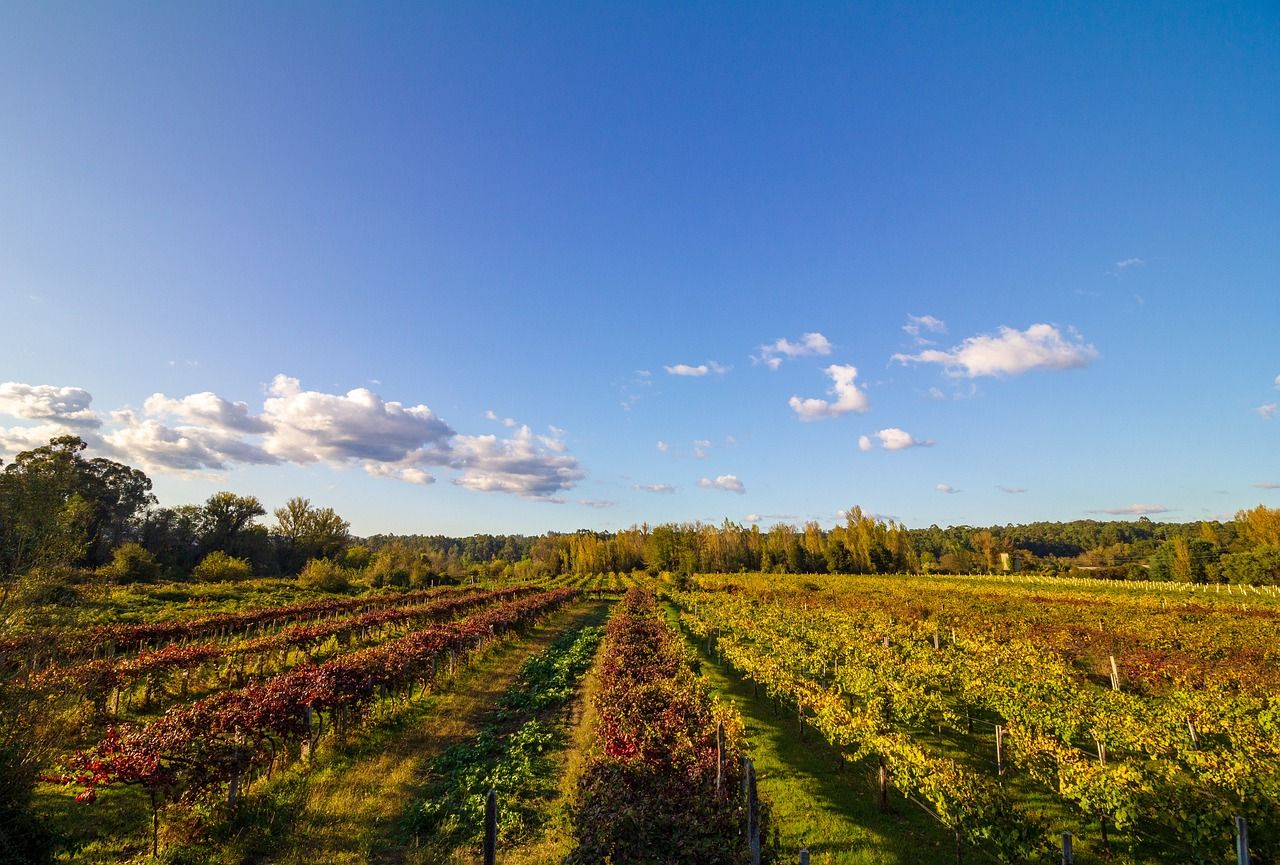
The only corner of Vinho Verde allowed to bottle varietal Alvarinho — the same grape Galicia calls Albarino, one river away.
 Spain
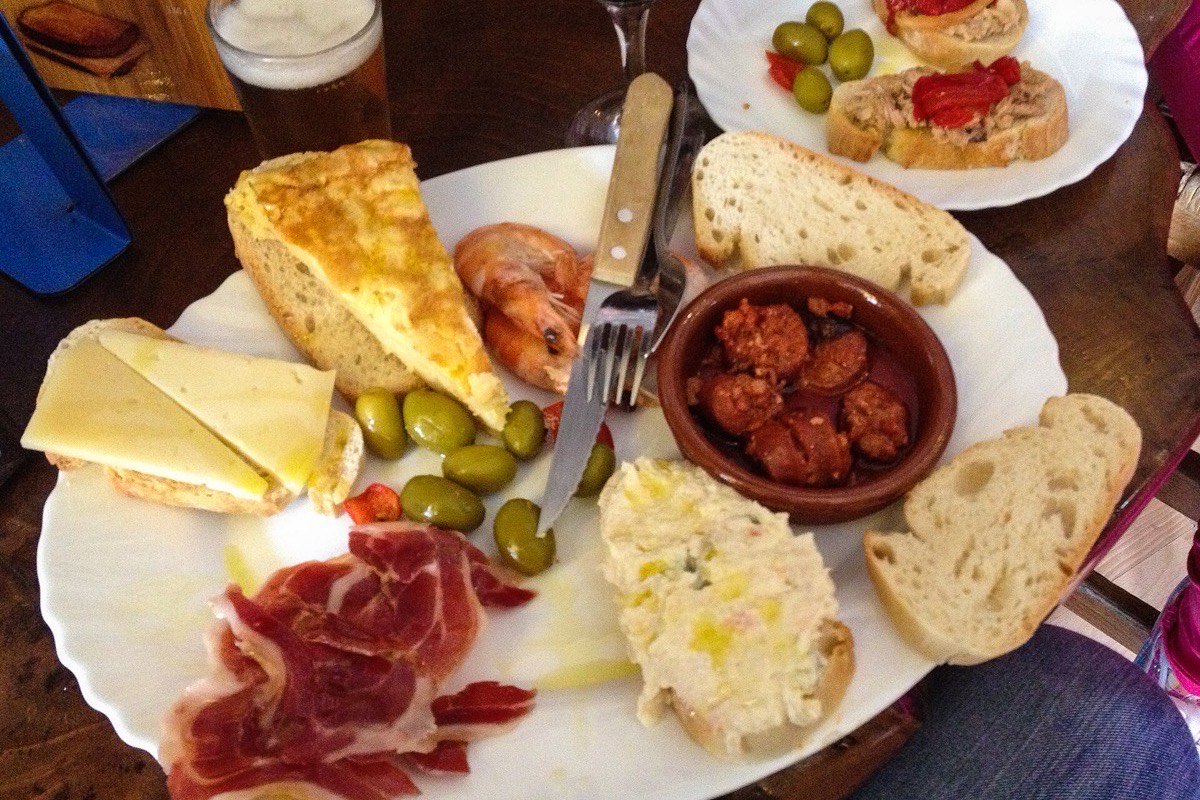
SpainSix stops, six bites, endless sherry — the city's backstreets, eaten one plate at a time.
 Portugal
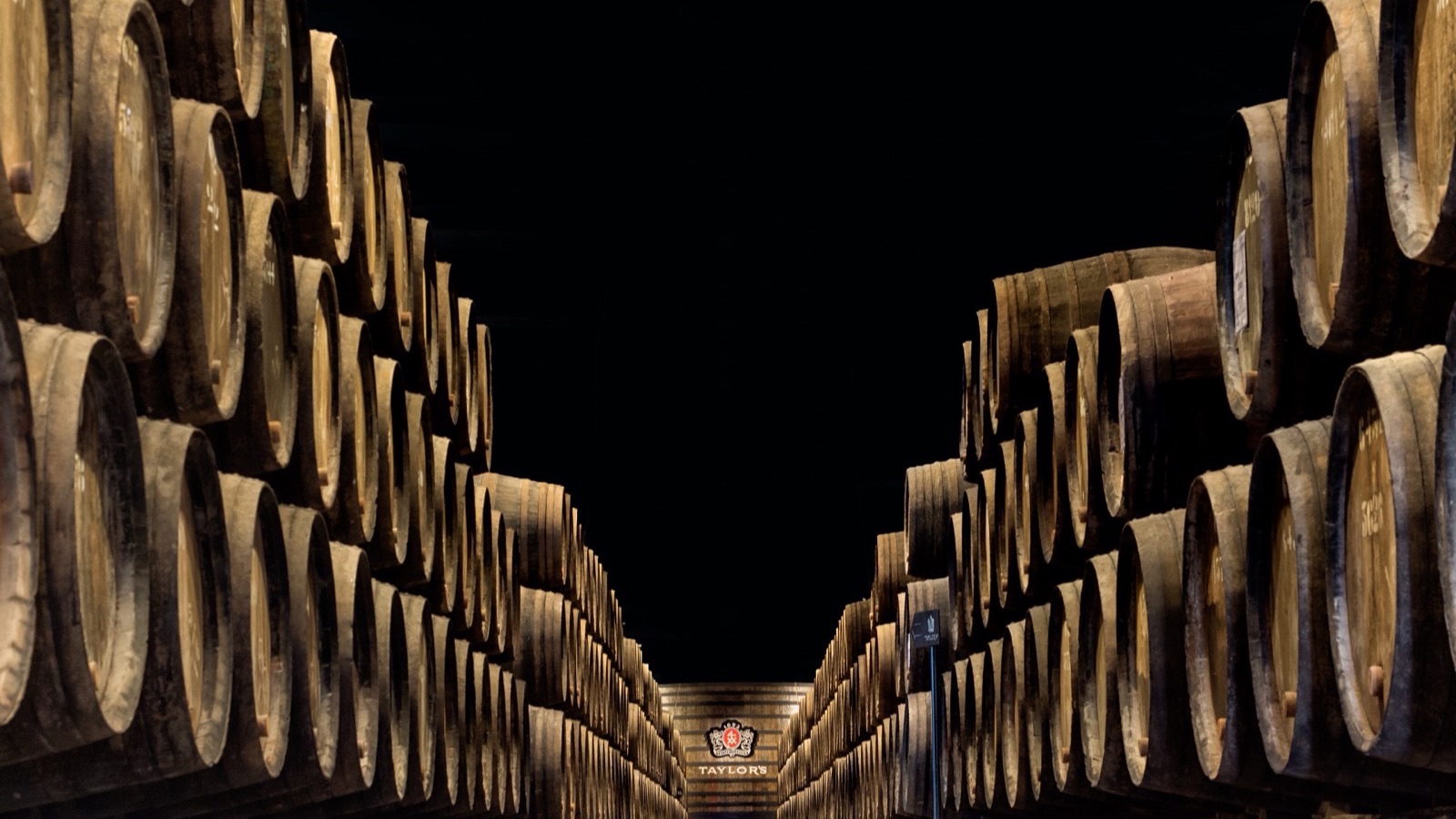
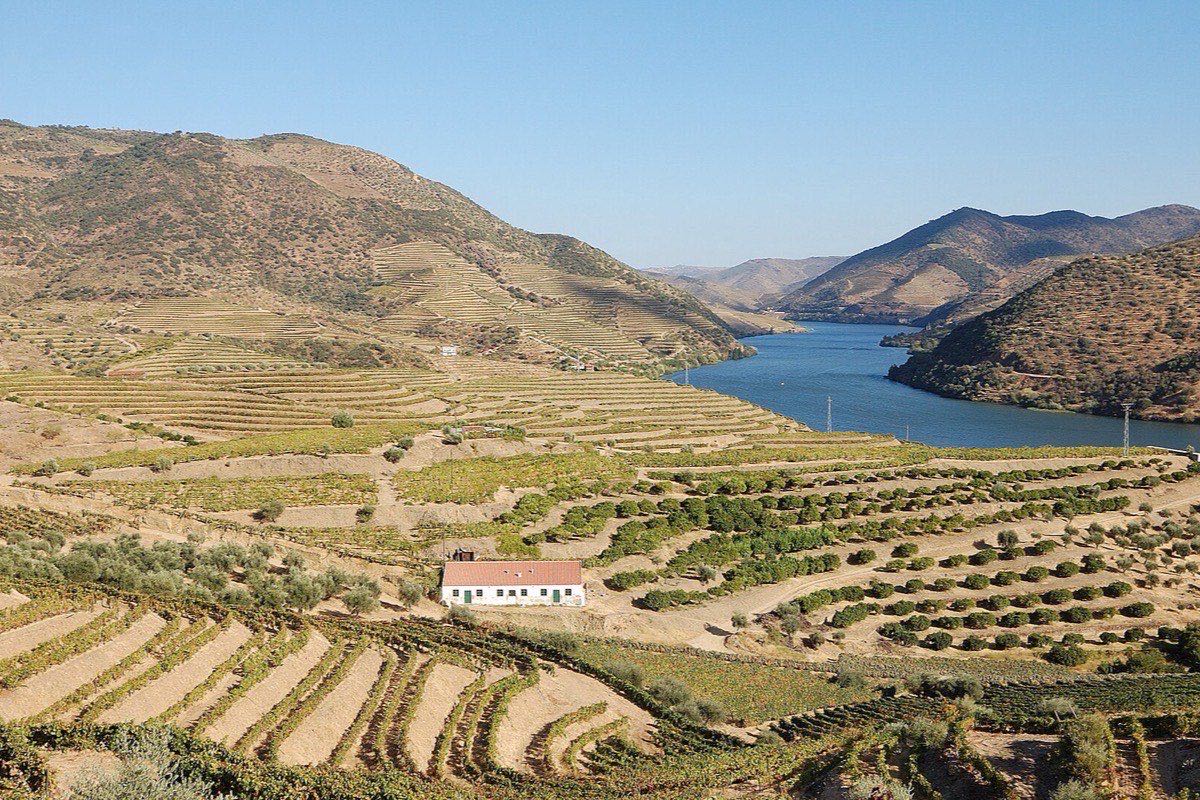
A day cruising the terraced Douro with cellar tastings of the world's finest port.
 Portugal
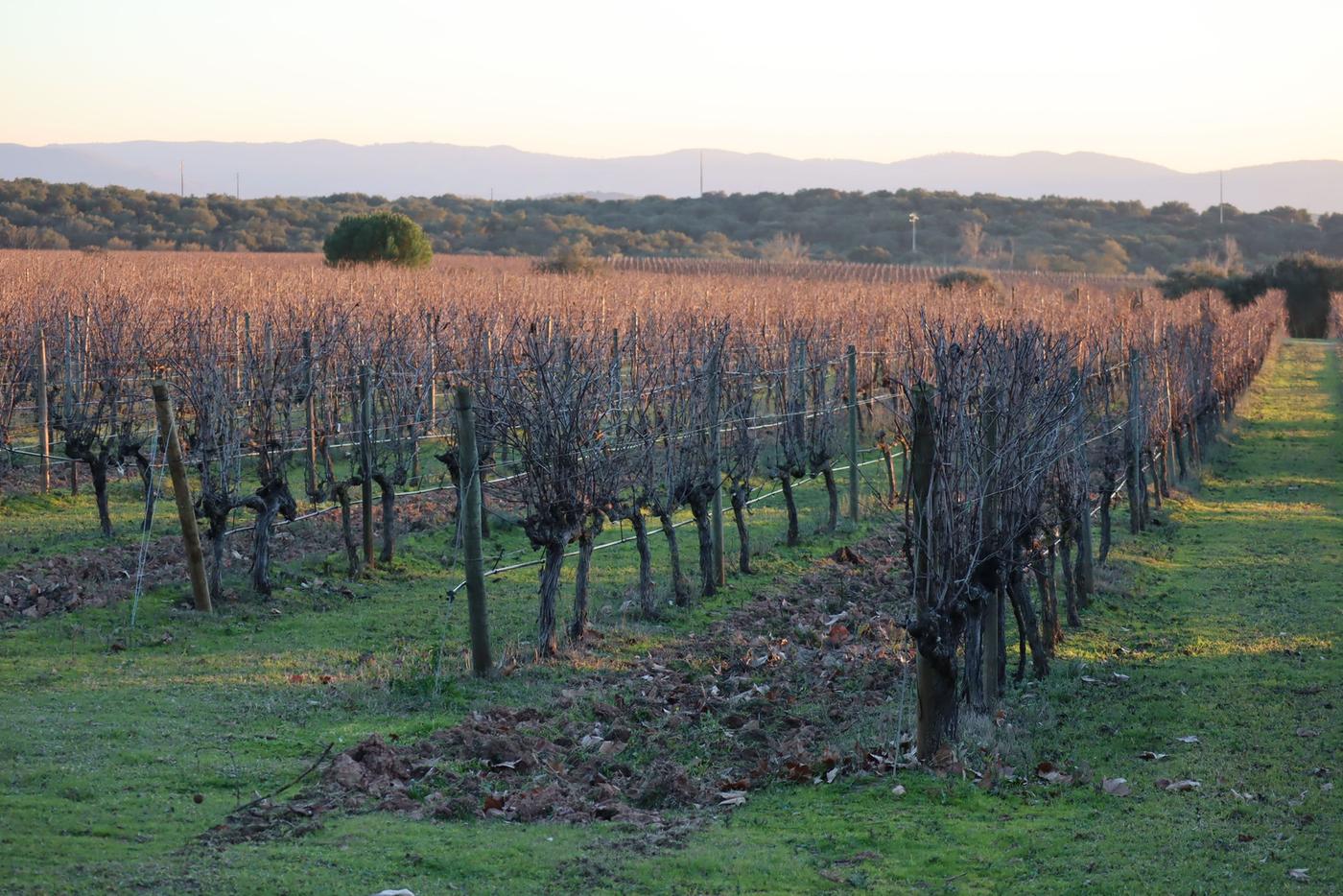
Vines trained high on wires above the fields, wine served cold enough to sting, and lunch under €12 with the jug already on the table.
 Spain
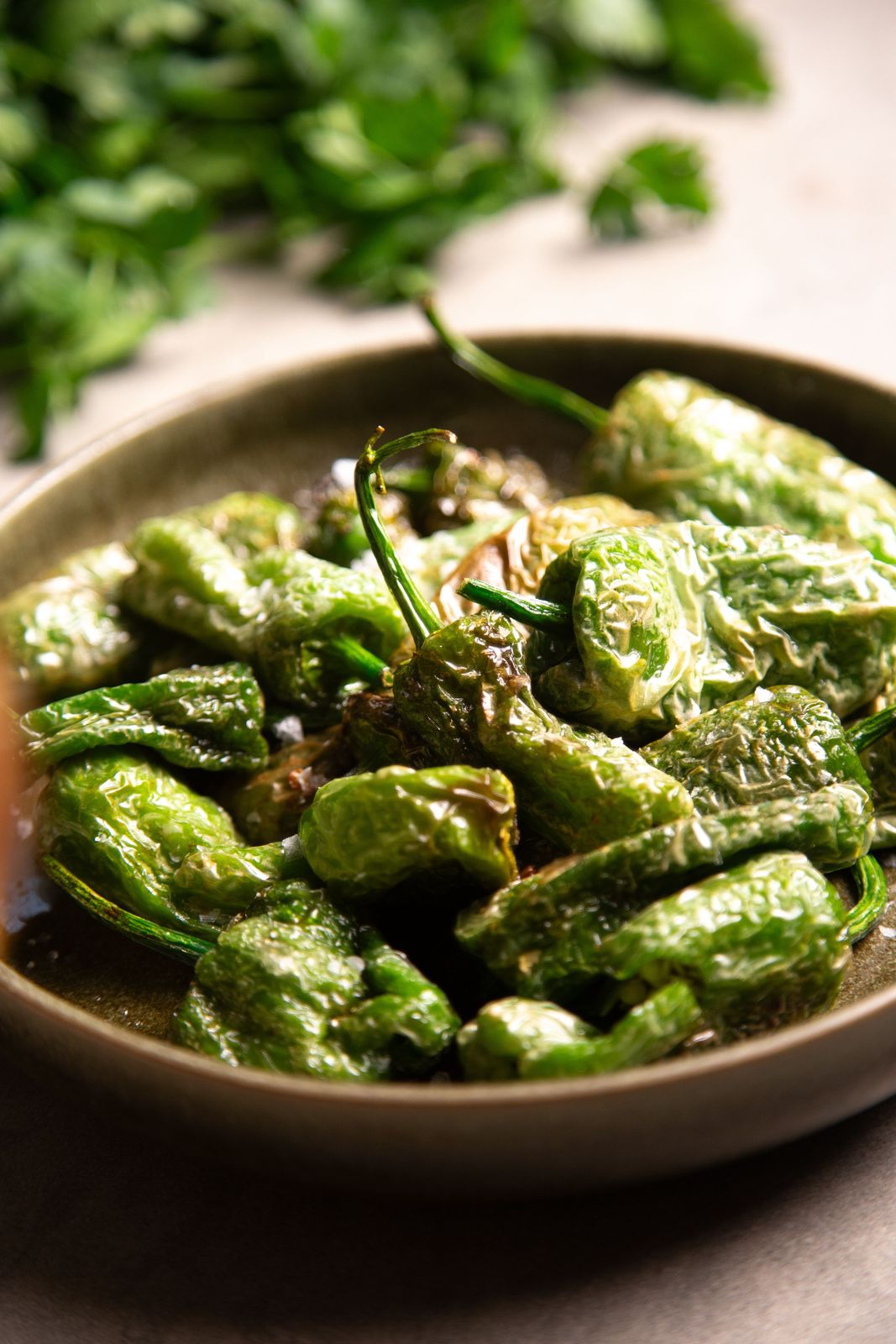
SpainOctopus on a wooden plate, peppers that bite one time in ten, and the Atlantic white that goes with all of it.
 Portugal
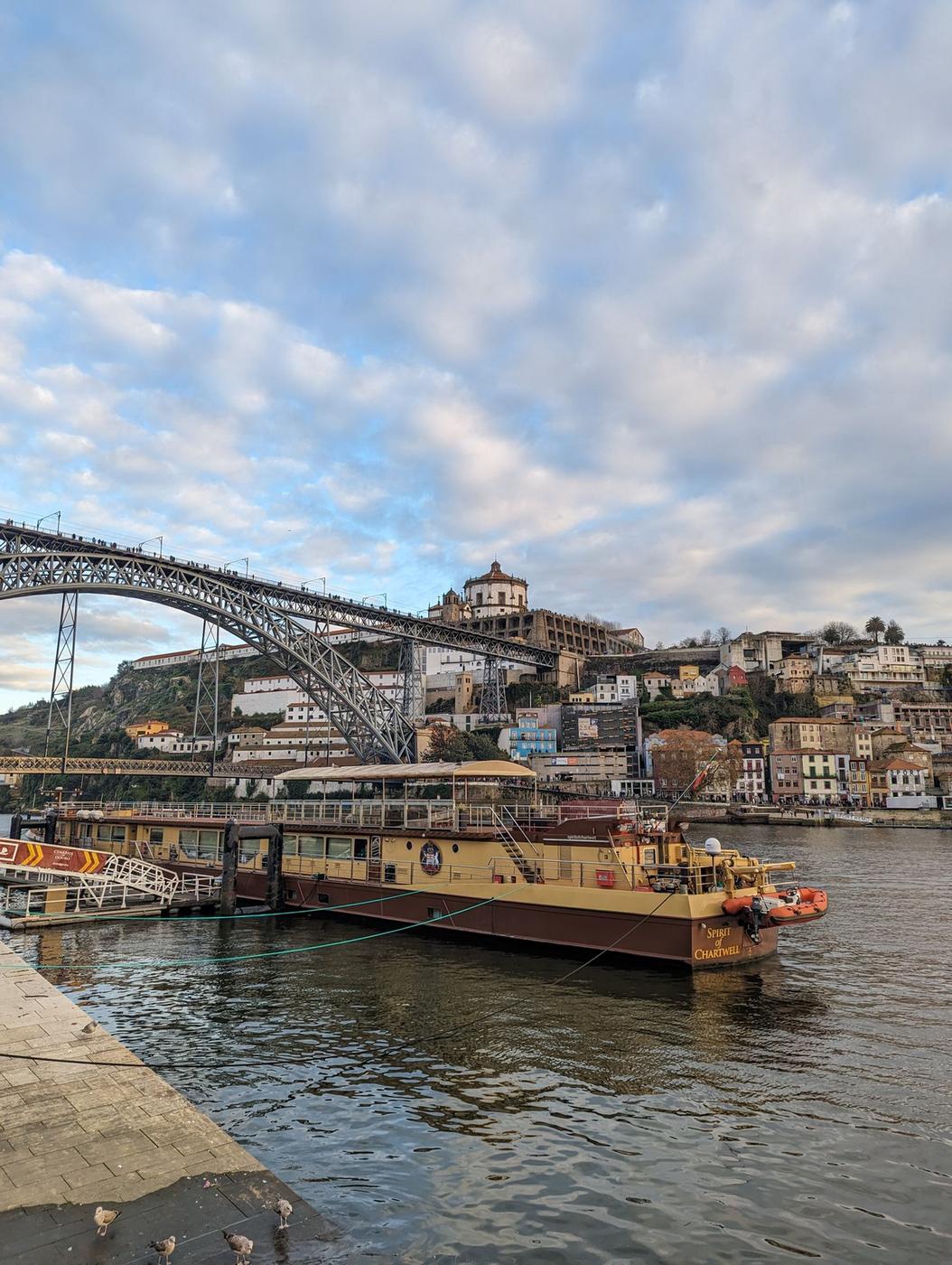
Porto calls itself tripeiro — tripe-eater — and means it. Bolhão market, a francesinha you will regret, and port across the river.
We're a guide, not a booking desk — so the process is refreshingly simple. You find the experience, you book it yourself with the operator, and you turn up ready to eat. No middleman, no markup.
Browse the guides by region, season or what you're in the mood to taste.
Book direct with the winery, the market stall or the tour operator — no middleman, no markup.
Meet your guide, raise a glass, and eat your way through the best of the place.
There are a lot of tourist-trap "food tours" out there — soggy paninis and a rushed walk. We only feature the real ones: small groups, genuine local guides, and tastings that locals would actually queue for.
No tourist traps — just tours worth the calories.
People who know the chef and the winemaker by name.
We name the producer, the dish and the town — so you can walk in and order it yourself.
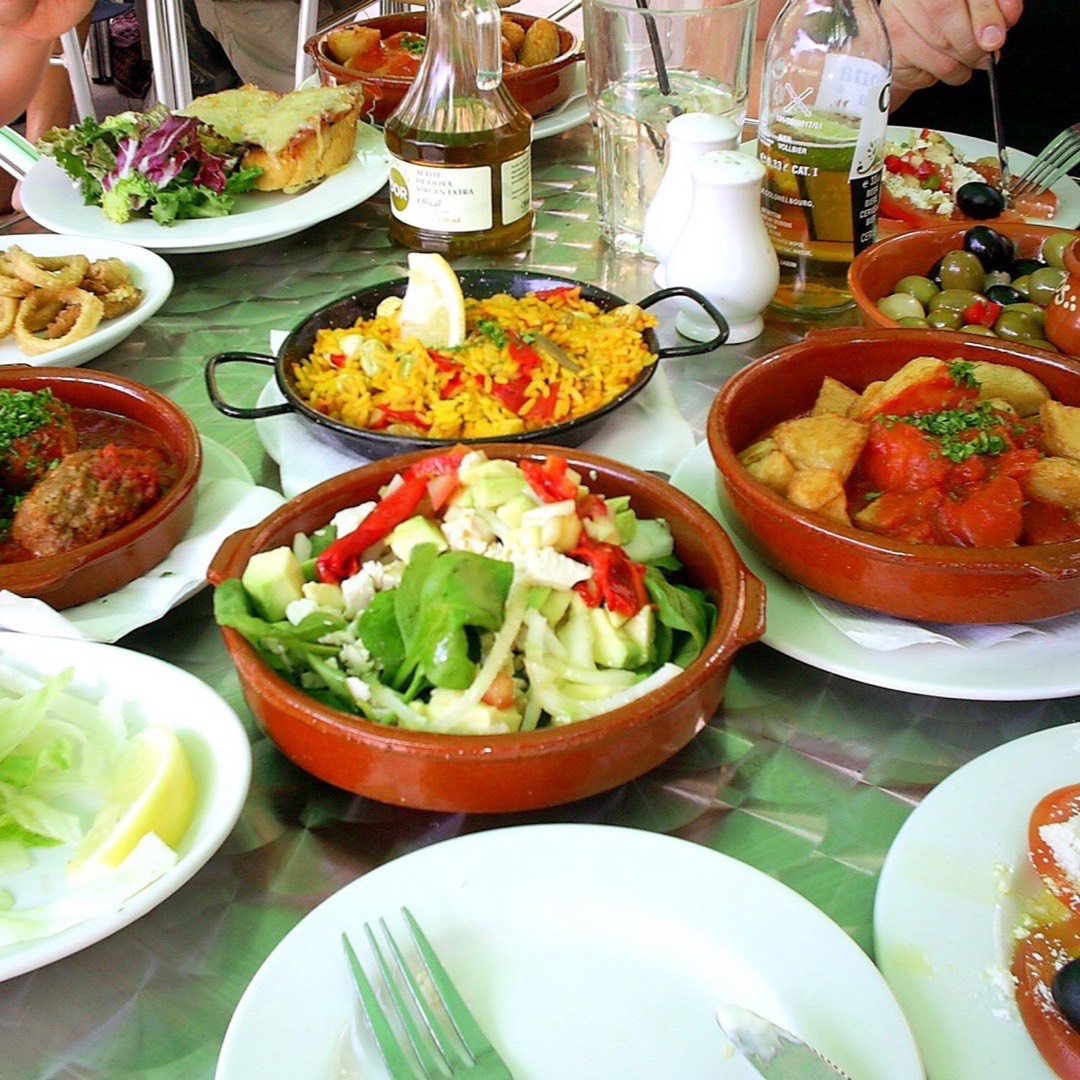
Forget the star ratings for a second. The trips people remember aren't the most expensive ones — they're the meals that happened in the right place, at the right table, with the right glass in hand. This is the feeling we plan for.
The right region, in the right season, ordering what the locals actually order.
A cellar tasting where the winemaker pours it himself.
Six small plates down a Seville backstreet, the sherry never empty.
Years of eating around the Minho, the Douro and Galicia, written down properly. They cover the parts that actually decide whether a food trip is brilliant or forgettable — where to go, when to go, what it really costs, and when a guided tasting earns its keep. Start with one of these.
Pick a region, your days and what you want to eat — get a base city, a loose daily rhythm and a rough food-and-drink budget in seconds. Real numbers, built from these guides.
The complete walkthrough — where to go, when, and how to build a trip around the food instead of the other way round.
Read the guide → TimingA month-by-month guide to harvest, truffle season and quiet spring cellars — because when you go matters as much as where.
Read the guide → BudgetA breakdown of the real numbers — and why the wine is rarely where the money goes.
Read the guide → Worth it?When a guided tasting is genuinely worth booking, and when you're better off wandering and eating on instinct.
Read the guide → The one to readThe same grape, one river apart. Portugal spells it one way, Galicia the other — and the wines still differ.
Read the guide → No experience neededHow to walk into a cellar door without feeling lost — the few things worth knowing before your first tasting.
Read the guide →Fork & Flask is written from northern Portugal. The Minho, the Douro and Galicia are not regions we flew into for a week — they are the drive to lunch. We know which bank of the river grows Alvarinho and which bank calls the same grape Albarino, which markets are worth the early start, and what a plate of pulpo should actually cost.
Everything on this site is priced in euros and checked on the ground. If we wouldn't queue for it ourselves, it doesn't go on the site.
Fork & Flask is a publisher, not a travel agency — we don't take bookings or run trips. You book directly with the winery, restaurant or operator and keep their prices, cancellation terms and support. There are no affiliate links on this site.